Allesha: A Handwritten Font for Modern Editorial Design
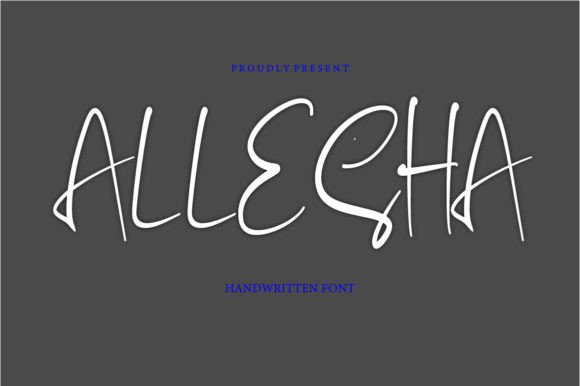
As a content creator who regularly designs for blogs, newsletters, and digital publications, I’m always on the lookout for fonts that bring both personality and functionality to the page. Allesha, a Script Amp typeface, offers a fresh, handwritten aesthetic that feels both modern and approachable. Whether you're crafting a magazine cover, ebook title, or social media graphic, Allesha’s unique character can elevate your editorial design while maintaining readability and visual flow.
What sets Allesha apart is its expressive stroke variation and natural rhythm. It carries the warmth of handwriting without sacrificing clarity, making it ideal for digital and print use. The font has a slight bounce and organic texture that adds visual interest without overwhelming the reader. This makes it especially effective in contexts where a human touch enhances the message—like in quote graphics, blog headers, or course titles.
Using Allesha in Publication Branding and Visual Hierarchy
One of the most important aspects of editorial design is establishing a clear visual hierarchy. Allesha excels as a display font for headlines, section openers, and branding elements. Its strong presence draws the eye, making it perfect for cover text, lead-ins, and featured quotes. When used strategically, it can guide the reader through your content while reinforcing your brand identity.
For instance, if you’re designing a digital magazine or a lifestyle blog, Allesha works beautifully for mastheads and article titles. Its distinctive look helps your publication stand out in a crowded space. Similarly, for newsletter creators, using Allesha in header graphics or pull quotes can add a sense of warmth and personality, encouraging higher engagement from your audience.
Practical Applications Across Content Formats
Allesha’s versatility shines in a variety of formats. For bloggers, it’s a great choice for post titles and featured image text. Ebook designers can use it effectively for chapter openers or front matter. Coaches and course creators may find it useful for workbooks, lead magnets, and printable planners, where a friendly yet professional tone is desired.
In packaging design for digital products, Allesha brings a refined yet personal touch. Whether you're creating a wedding guide, recipe ebook, or brand style guide, this font helps communicate the right emotional tone. It pairs well with clean sans serif fonts for body text or elegant serif fonts for captions and footnotes, creating a balanced and cohesive layout.
Readability Considerations for Different Platforms
When choosing a font for editorial use, readability across platforms is crucial. Allesha is well-suited for screen reading when used at appropriate sizes, especially for headlines and short bursts of text. For PDF exports and printables, its clear letterforms ensure legibility even in smaller point sizes. On mobile layouts, the font retains its charm without becoming visually cluttered, making it a smart choice for responsive design.
That said, Allesha is best reserved for short-form, high-impact uses rather than long body copy. Its expressive nature makes it ideal for titles, subtitles, and accent typography. Using it in moderation ensures that your design remains clean and reader-friendly while still benefiting from its unique visual appeal.
Font Pairing for Editorial Consistency
Successful editorial design often hinges on thoughtful font pairing. Allesha serves as a compelling display font when combined with more neutral, readable typefaces. Pairing it with a classic serif like Georgia or a modern sans serif like Lato creates a strong contrast that enhances readability and visual flow.
For example, in a digital magazine layout, you might use Allesha for the article headline and a clean serif for the body text. In a newsletter, Allesha could highlight a pull quote while a minimalist sans serif handles the main content. These combinations help maintain a cohesive design language while allowing each font to play to its strengths.
Design Features and Language Support
Allesha includes a range of stylistic alternates, ligatures, and multiple weights, giving designers flexibility in how they apply the font. These features allow for customization that can match your brand’s specific tone—whether you need a more casual or polished look. Additionally, the font supports multilingual characters, making it suitable for international audiences and diverse content projects.
Commercial Use and Licensing
For creators who sell templates, digital downloads, or client-facing materials, licensing is always a consideration. Allesha is a commercial font that can be used across a wide range of applications, including ebooks, printables, paid newsletters, and web-based content. This flexibility makes it a reliable asset in your design toolkit, whether you're crafting a downloadable planner or a premium course workbook.
Final Thoughts on Allesha for Editorial Design
Allesha is more than just a pretty font—it’s a functional design tool that enhances editorial layouts with its expressive yet readable form. Whether you're working on a blog, digital magazine, or branded printable, it offers a unique visual tone that supports both content structure and reader engagement. By understanding its strengths and pairing it thoughtfully with other fonts, you can create layouts that feel both professional and personable.
If you're looking for a handwritten font that goes beyond aesthetics to serve your editorial needs, Allesha deserves a place in your design library. It’s a versatile, well-crafted typeface that brings warmth, clarity, and consistency to your publishing projects—no matter the format.