Shubby: A Stylish Handwritten Font for Business Branding
As a small business owner, I’m always looking for ways to make my brand feel more cohesive and professional. When I discovered Shubby, a stylish handwritten font with a contemporary twist, I knew it could be the missing piece in my visual identity. Shubby isn’t just another script font—it’s a versatile typeface that brings elegance and approachability to everything from product labels to social media posts.
What Makes Shubby Stand Out?
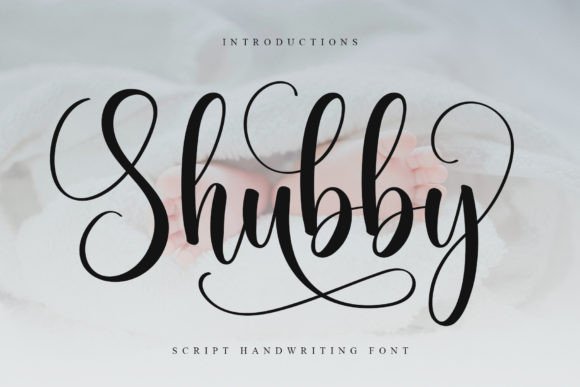
Shubby is a script font inspired by classic calligraphy, but with a modern edge that feels fresh and accessible. It balances variation and consistency in a way that makes it feel both personal and polished. Whether you're designing a logo or printing packaging for your handmade candles, Shubby adds a touch of sophistication without feeling overly formal.
Its clean lines and open spacing make it surprisingly readable for a decorative font. This is especially important when you're working with small product labels or mobile-friendly web content. It’s not just a font—it’s a design asset that elevates your brand’s visual language.
Real-World Uses for Shubby in Your Business
I’ve used Shubby across a range of customer-facing materials, and it always delivers. Here are a few practical applications that might inspire you:
- Logo design – Perfect for boutique owners, coaches, and lifestyle brands who want a soft, memorable look.
- Packaging design – Great for handmade product labels, coffee bags, and natural skincare packaging.
- Social media graphics – Works beautifully on Instagram stories and Pinterest pins to highlight quotes or promotions.
- Business cards and thank-you notes – Adds personality and warmth to customer correspondence.
- Menu design – Ideal for cafés and small eateries looking for a friendly, modern aesthetic.
Why Font Choice Matters for Brand Consistency
Fonts are more than just letters on a page—they’re part of your brand identity. Choosing a font like Shubby helps you build a recognizable visual style that customers can connect with. When I started using it consistently across my website, packaging, and marketing materials, I noticed a subtle but powerful shift in how my brand was perceived.
Shubby’s contemporary handwriting style makes it feel both personal and professional. It’s not too flashy, but still expressive enough to stand out. That balance is crucial when you're trying to build trust with your audience, especially in crowded markets like online selling or local services.
When to Use Shubby as a Display Font
Because of its expressive nature, Shubby works best as a headline or accent font rather than for long blocks of text. It’s ideal for titles, logos, and call-out text where you want to draw attention without overwhelming the reader.
For example, if you're designing a new line of organic teas, you might use Shubby for the product name on the label and pair it with a clean sans serif font for ingredient descriptions. This creates visual harmony and ensures readability while still keeping your brand voice warm and human.
Readability Across Different Formats
One of the first things I tested when trying Shubby was how it looked in different sizes and formats. I was happy to find that it holds up well even in small print—perfect for sticker labels, tags, and thank-you cards. On digital screens, especially mobile devices, it remains crisp and legible when used at appropriate sizes.
Still, I recommend testing it in your actual use cases before committing. Try a sample label, print a business card proof, or preview your website banners on a phone. That way, you can be sure it works well in the real-world contexts where your customers will see it.
How to Pair Shubby with Other Fonts
Font pairing is one of the easiest ways to create a polished brand look. Since Shubby is a script amp, it pairs beautifully with clean, minimalist fonts. I often use it with a simple sans serif like Montserrat or Lato for body text and headers.
If you want a more traditional feel, try pairing it with a classic serif font like Georgia or Playfair Display. This combination works well for wedding-related businesses, luxury skincare brands, or artisanal product lines where elegance is key.
Check Licensing Before You Launch
Before using Shubby across your brand assets, always verify the font’s licensing terms. Most premium fonts come with commercial use rights, but it’s important to confirm whether you can use them on physical products, digital templates, or client work.
If you’re selling merchandise, offering branded printables, or using the font in packaging design, make sure your license covers those uses. A small investment in licensing ensures you avoid legal issues down the line and supports the designers who create these valuable tools.
Test Shubby Before Committing
Before redesigning your entire brand around Shubby, try it out in a few key areas. Use it on a single product label, create a sample social media post, or mock up a new logo version. This gives you a chance to see how it performs in context without a full rebrand.
I recommend downloading a test file or using a design tool that lets you preview fonts in real time. Once you’re confident in how it looks and functions across different materials, you can incorporate it more broadly into your brand toolkit.