Emotional: A Sweet Handwritten Font for Modern Web Design
As a web designer, I'm always on the lookout for typefaces that bring personality without sacrificing usability. Emotional is one such font—a sweet, friendly handwritten script that adds warmth and authenticity to digital designs. Its natural, flowing style makes it a standout choice for web and UI projects where a human touch is needed without compromising readability.
Emotional belongs to the Script Amp category, and it's ideal for digital product creators who want to inject emotion into their layouts. Whether used for a hero section, logo text, or a boutique online store, this font carries a unique rhythm that feels both modern and timeless. It's not overly stylized, which means it works well in responsive web environments where clarity matters.
Visual Characteristics and Digital Appeal
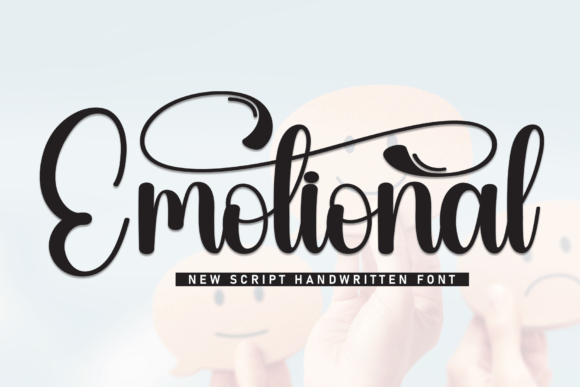
Emotional has a soft, cursive structure that mimics natural handwriting. It's not too bouncy or exaggerated, which makes it easier to read on screen than many decorative scripts. The font’s open spacing and gentle curves help maintain legibility even at smaller sizes, especially when used with the right contrast and spacing in web layouts.
This handwritten font carries a warm and approachable tone. It's perfect for brands that want to feel personable, creative, or artisanal. Whether you're designing a coaching website, a creative portfolio, or a product landing page, Emotional helps set the right emotional tone without overwhelming the user with visual noise.
Best Use Cases in Web Design
Emotional shines brightest when used for short, impactful text elements. It's particularly effective in:
- Hero headers and call-to-action buttons
- Logo text and brand accents
- Section headings and feature highlights
- Blog headers and social media graphics
- Course sales pages and digital brand kits
Because of its decorative nature, Emotional works best as a display font rather than for long-form body copy. It pairs beautifully with clean sans serif fonts like Montserrat or Open Sans, allowing for a strong visual hierarchy while keeping the design balanced and readable.
Readability and Responsive Design
When designing for the web, readability is key—especially on mobile devices. Emotional holds up well in responsive layouts when used thoughtfully. For mobile screens, consider increasing letter spacing slightly and ensuring adequate contrast between the font and background colors.
It's also important to test Emotional on different background types. On dark backgrounds, subtle anti-aliasing can help maintain clarity. When overlaying the font on images, use a semi-transparent backdrop or text shadow to ensure legibility without losing the font’s charm.
Brand Tone and Visual Hierarchy
One of the most powerful uses of Emotional is in shaping brand tone. Fonts like this help convey warmth, creativity, and trust—qualities that are essential for service-based businesses, creative entrepreneurs, and lifestyle brands.
Using Emotional in key conversion areas—like hero sections or CTA buttons—can make a design feel more inviting. When layered with a clean sans serif for body text, it creates a visual rhythm that guides users through the page naturally. This kind of font pairing supports both emotional appeal and functional usability.
Font Pairing and Web Design Strategy
Emotional works best when contrasted with more neutral typefaces. A common and effective pairing is Emotional with a modern sans serif for body text. For editorial-style websites or blogs, combining Emotional with a refined serif like Merriweather can create a polished, content-driven design.
When implementing Emotional on a website, always consider the overall font stack. Make sure the fallback fonts are legible and maintain the intended visual hierarchy even if Emotional doesn't load. Also, check that the font supports all necessary weights and styles for your layout needs.
Technical Considerations for Web Use
Before embedding Emotional in a live site, verify that the font includes all necessary webfont formats—WOFF, WOFF2, TTF, and EOT. Also, check for alternate characters, ligatures, and multilingual support if your audience spans multiple languages.
Some handwritten fonts can be heavy in file size, so test Emotional's load performance using tools like Google PageSpeed Insights. Optimizing font loading with the font-display: swap; CSS rule can help maintain fast perceived load times while preserving the font's visual appeal.
Commercial Use and Licensing
When using Emotional for client work, online stores, or digital templates, ensure you have the correct commercial license. Most premium fonts come with clear licensing terms, but it's always wise to double-check whether the font can be used across multiple domains, embedded in downloadable templates, or applied to branded assets.
For SaaS platforms or web apps, confirm that the license covers webfont usage across all user-facing interfaces. Some licenses may require additional permissions for high-traffic sites or enterprise-level applications.
Final Thoughts
Emotional is more than a decorative script—it's a versatile tool for digital creators who want to add personality with purpose. Whether you're building a landing page, branding a new online course, or crafting a boutique Shopify store, Emotional brings a human feel to the screen without compromising design integrity.
In the right context, Emotional can elevate your web projects from functional to memorable. Paired with thoughtful layout design and responsive typography, it becomes a key part of a consistent, emotionally resonant digital identity.